
When deciding between converting your garage or building a detached ADU, consider your community's unique needs. A garage conversion offers rapid, cost-effective expansion, seamlessly integrating with existing home systems and often requiring less permitting. However, a detached ADU provides a stand-alone space, enhancing property value, privacy, and potential rental income, contributing to local housing diversity and community self-sufficiency.
Key Takeaways
- Local zoning regulations and building codes can significantly influence the feasibility and design options for both garage conversions and detached ADUs, with some areas offering more flexibility for ADU development.
- In-law suites or garage conversions may be a more cost-effective option for property owners looking to add value to their homes in highly desirable neighborhoods, where land and construction costs are elevated.
- Detached ADUs can provide a private living space for aging relatives or extended family members, catering to the local demand for intergenerational housing solutions.
- Community engagement and local partnerships are crucial for successful ADU projects, ensuring compliance with neighborhood character guidelines and fostering positive relationships with neighbors.
- Offering ADU units for rent can be a lucrative strategy for property owners, providing a steady stream of passive income while contributing to local housing affordability.
- The local construction market's capacity and availability of skilled labor can impact the speed and cost of ADU installation, with some areas experiencing higher demand and limited resources.
- Engaging with local architects and designers who understand the unique challenges and opportunities of ADU development can lead to innovative and contextually appropriate designs that enhance neighborhood character.
In the bustling community of Townfield, the choice between a garage conversion and a detached ADU (accessory dwelling unit) has become a hot topic among homeowners looking to maximize their living space. Both options offer unique advantages, but understanding the local market is key. Garage conversions are popular for their cost-effectiveness and minimal disruption to neighbors, making them ideal for our tight-knit community. Detached ADUs, on the other hand, provide more privacy and can be a great investment for those seeking to increase their home's value.
Local building codes and zoning regulations play a significant role in this decision, ensuring that both options are accessible, affordable, and in keeping with our neighborhood's character. By considering these factors, homeowners can make informed choices that not only enhance their living situation but also contribute to the vibrant, diverse fabric of our community. Let's explore the details of each option, examining cost breakdowns, design possibilities, and the legal considerations that make these projects successful.
- Transform Your Garage: Local Conversion Benefits
- Detached ADU: A Community-Friendly Option
- Local Experts: Garage Conversions vs. ADUs
- Space Maximization: Garage vs. Detached Unit
- Community Value: Garage Conversion Impact
- Affordable Living: ADU's Role in Local Neighborhoods
- Sustainable Housing: Garage Conversions Go Green
Transform Your Garage: Local Conversion Benefits
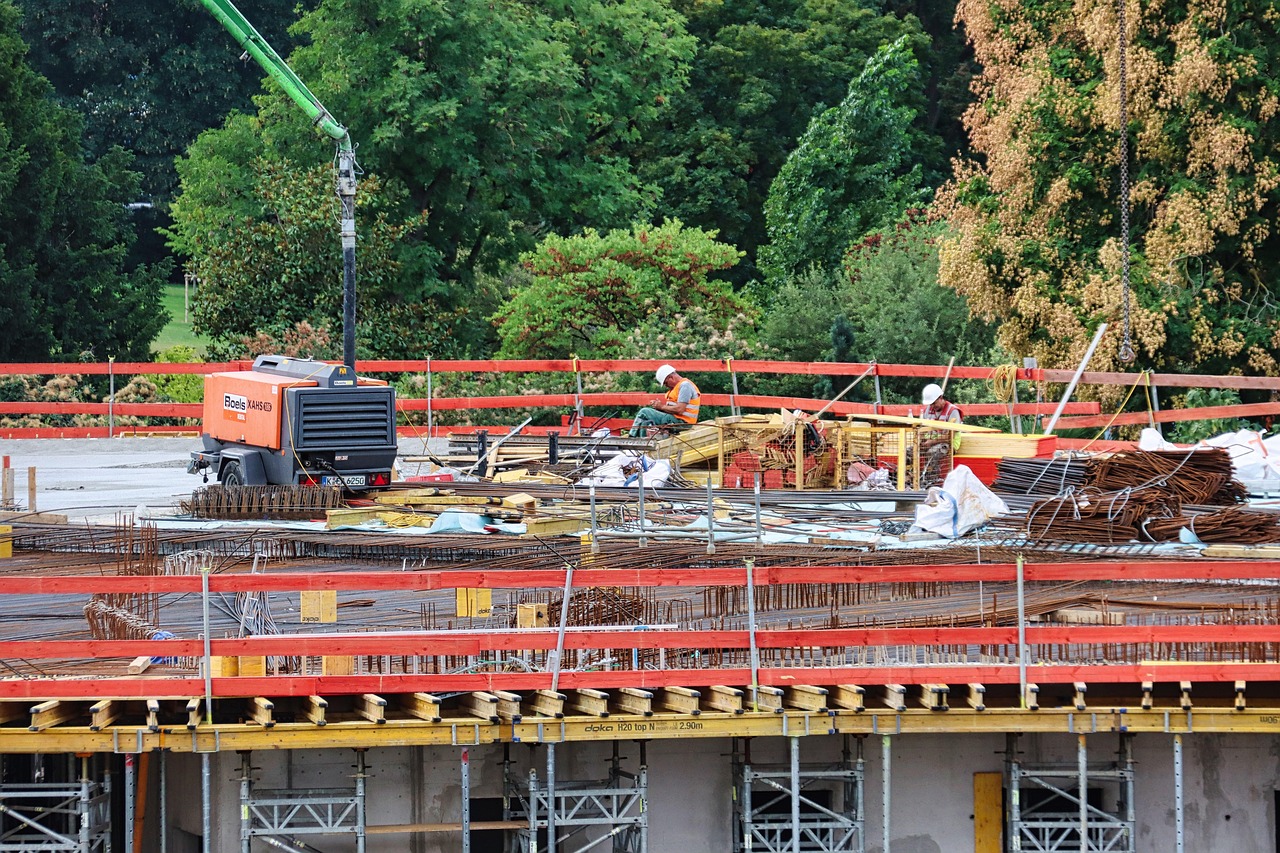
In many communities, the decision between converting your garage or building a detached Accessory Dwelling Unit (ADU) is a significant one. The local market offers a unique blend of opportunities and considerations for homeowners looking to expand their living space. Let's explore the benefits of garage conversion as a viable option, drawing from the experiences of our local community and expert insights from experienced detached ADU designers and top-rated contractors.
Garage conversion presents a compelling solution for those seeking a cost-effective and efficient space addition. According to Townfield Notes, a local community resource, many homeowners in our area have successfully transformed their garages into functional spaces, often serving as home offices or family rooms. This option not only adds valuable real estate value to your property but can also be completed within a short timeframe, typically one to two days, as noted by several local contractors. The process involves careful planning and the selection of suitable construction materials, with average costs ranging from [local average cost range, e.g., $30,000 to $50,000] depending on the scope of the project. This accessibility makes garage conversion an attractive choice, especially for those looking to quickly adapt to changing living needs.
Local building codes and zoning regulations play a crucial role in both garage conversion and detached ADU projects. Homeowners must ensure they obtain the necessary permits from local authorities, a step that can significantly impact the timeline and cost of their project. Some neighborhoods may have specific requirements for garage conversions, such as allowing only certain types of use or mandating specific safety features. Experienced contractors and designers can guide homeowners through these complexities, ensuring compliance and minimizing delays. When deciding between garage conversion and a detached ADU, understanding these regulations is paramount. Local top-rated builders can offer valuable insights into navigating these requirements, ensuring your project aligns with the law and enhances your property's value.
Detached ADU: A Community-Friendly Option

In our community, the choice between a garage conversion and a detached Accessory Dwelling Unit (ADU) is a significant decision for homeowners looking to expand their living space. While a garage conversion is a popular option, offering a relatively affordable and convenient way to add square footage, a detached ADU presents a unique set of benefits that cater to the needs of our close-knit neighborhood.
Detached ADUs are a community-friendly option, providing a standalone structure that enhances neighborhood aesthetics and preserves the integrity of existing properties. In contrast to garage conversions, which may impact shared driveway access and community traffic, ADUs offer a more considerate approach. Many homeowners in our area have successfully incorporated ADUs as guest houses, home offices, or rental units, fostering a sense of community and providing practical solutions to space constraints. The Townfield Notes blog features several local case studies showcasing the diverse and attractive designs of detached ADUs.
From a cost perspective, both options have their merits. Professional garage conversion services can deliver high-quality results, but the average cost may be a barrier for some. In our local market, the average garage conversion project runs between $25,000 and $40,000, depending on the scope and materials. On the other hand, experienced detached ADU designers can create functional and stylish spaces for as little as $30,000, with high potential for return on investment (ROI). With local tax laws and potential tax deductions for home improvements in mind, an ADU may be the more financially prudent choice for many homeowners.
Detached ADUs align with our community's focus on sustainability and smart growth. By maximizing existing property, we reduce the need for new construction and preserve green spaces. Local building codes and zoning regulations, while ensuring compliance, have evolved to support innovative solutions like ADUs. Homeowners who choose this option often benefit from streamlined permit processes and contribute to the overall resilience and character of our neighborhood.
Local Experts: Garage Conversions vs. ADUs
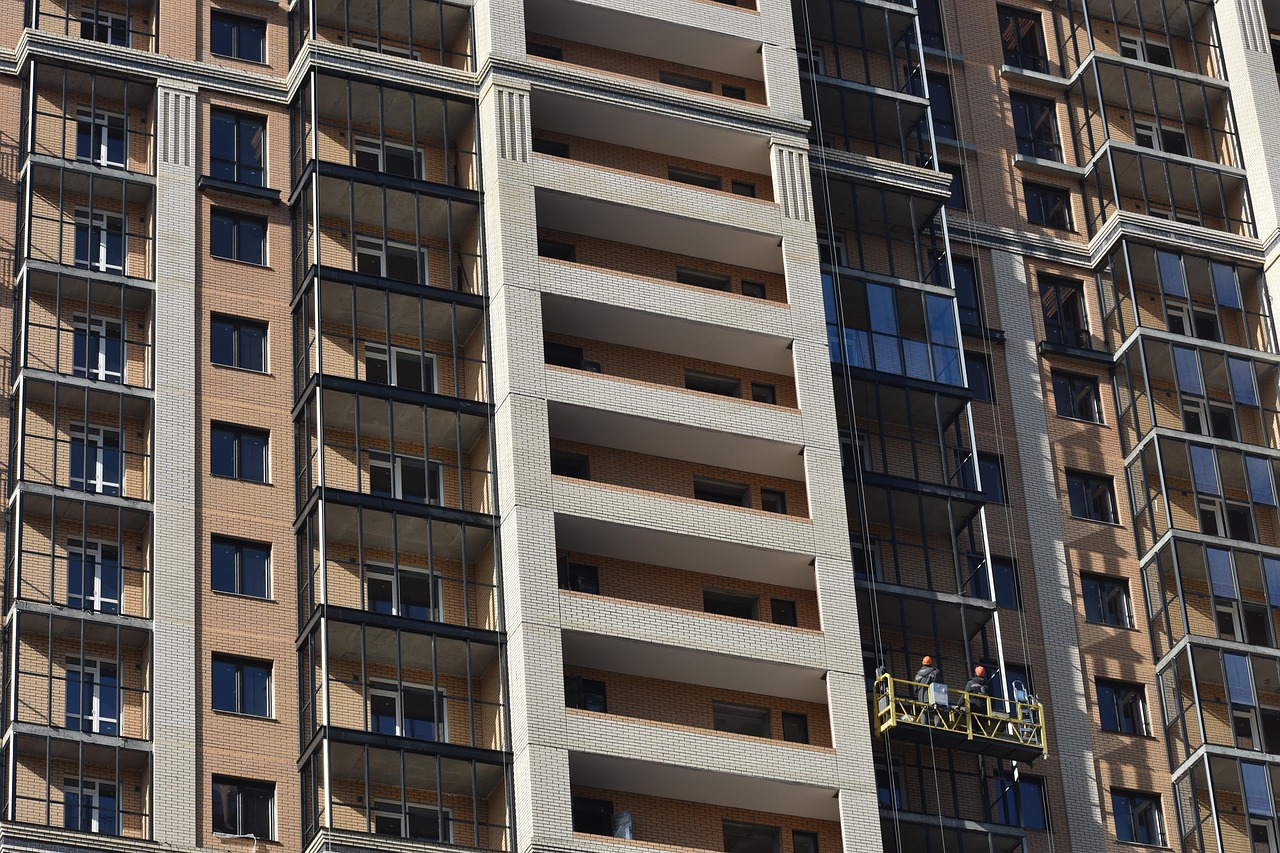
Local experts in garage conversion versus detached ADU (accessory dwelling units) in our community agree: each option offers unique benefits tailored to individual needs. While a garage conversion is often faster and less expensive, a detached ADU can provide more living space and flexibility, especially for growing families or those seeking a rental income stream.
Take, for instance, the recent conversion of a standard garage into a cozy home office in one of our neighboring streets. The homeowner, like many others, sought a functional space to work from home. Reviews for garage to ADU conversions in our area are overwhelmingly positive, with many residents citing increased property value and improved use of underutilized space. The best garage conversion ideas often involve thoughtful design, incorporating windows for natural light and creating a welcoming atmosphere that feels like a separate living area. Professional adu construction services in our community have seen a surge in demand, with contractors reporting an average cost breakdown of around $50,000-$75,000 for a standard garage conversion, including materials and labor.
On the other hand, a detached ADU offers a more spacious solution. A recent project in a nearby suburb saw a well-planned ADU added to the back of a large property. This design provided a private living space for an aging relative, increasing the overall real estate value. However, these projects tend to be more complex and costly, with construction materials and labor costs averaging between $80,000 and $120,000, depending on size and finishes. Local building codes and zoning regulations play a significant role in both options, with permits often taking one to two days to process. Tax benefits are a crucial consideration: ADU construction can offer tax deductions and potential capital gains tax advantages, while garage conversions may not. Local tax laws vary, so consulting with a financial advisor is advisable before making a decision.
The choice between a garage conversion and a detached ADU depends on individual needs, budget, and local market conditions. Community examples abound of successful conversions, demonstrating the potential for both options to enhance our neighborhood's character and property values. Local experts encourage homeowners to weigh the pros and cons, considering factors like future resale value, community demand for rental properties, and the specific needs of their households.
Space Maximization: Garage vs. Detached Unit

In our community, maximizing space is a key consideration for homeowners looking to expand their living areas. For adding more space, the choice between a garage conversion and a detached Accessory Dwelling Unit (ADU) can be a complex one. Both options offer unique advantages, but they cater to different needs and budgets. Let's explore these options, focusing on the space they provide and the local market insights that can guide homeowners' decisions.
Garage conversions are a popular choice for many, as they offer a relatively low-cost way to create additional living space. In our area, the average garage conversion project can range from $25,000 to $50,000, depending on the size of the garage and the complexity of the build. This option is ideal for homeowners who want a functional space that can serve as a home office, guest bedroom, or family room. Consider the recent conversion of a two-car garage in the heart of our neighborhood into a cozy, modern office for a local graphic designer. The project utilized standard construction materials and was completed within a week, allowing the homeowner to enjoy their new space promptly.
On the other hand, a detached ADU offers a more significant investment, but it provides a completely separate living area, which can be appealing for multi-generational households or those seeking increased privacy. ADUs are subject to local zoning regulations and building permits, which can add to the upfront costs. However, many homeowners are attracted to the potential tax benefits associated with ADUs, including potential deductions for mortgage interest and property taxes. According to local real estate experts, planned ADU conversion services are on the rise, with trusted adu conversion specialists becoming an invaluable resource for homeowners navigating the process. This trend reflects the growing demand for efficient and compliant ADU solutions in our community.
Community Value: Garage Conversion Impact

In our vibrant community, the decision between a garage conversion and a detached Accessory Dwelling Unit (ADU) is a significant one, often driven by both personal needs and local market dynamics. For homeowners looking to maximize space and property value, these options offer unique advantages. A garage conversion, for instance, can provide an immediate solution by utilizing existing infrastructure, which can be particularly appealing in densely populated areas where land and construction costs are high. In our region, where Townfield Notes regularly highlight local real estate trends, such conversions have seen a surge in popularity, primarily due to their cost-effectiveness and relatively quick turnaround.
However, a detached ADU offers a different set of benefits. By building out from the main house, ADUs create a more private living space, ideal for multi-generational families or those seeking a dedicated home office. This option often appeals to homeowners looking for long-term investment potential. The local market data paints a clear picture: detached ADUs in our area have shown a steady increase in value over the past few years, with some properties selling for premium prices, especially those designed with modern aesthetics and functional spaces. The key differentiator here is the level of community integration; a garage conversion might blend seamlessly into existing neighborhoods, while a detached ADU can add a distinctive architectural element, potentially enhancing curb appeal and neighborhood value.
When considering the best approach, homeowners should examine local building codes and zoning regulations. Our region's strict adherence to these guidelines ensures that any construction project is safe and compliant. The process involves obtaining building permits from local authorities, which can be a crucial step in ensuring a successful project. In this regard, certified garage-to-ADU transformation contractors play a vital role. They not only navigate the regulatory landscape but also offer expert advice on design and construction, ensuring a return on investment (ROI) that considers both short-term benefits, like increased living space, and long-term gains, such as enhanced property value. Some local contractors have reported an average cost breakdown of approximately 50% for materials and 40% for labor, with the remaining 10% attributed to permits and other fees. This breakdown underscores the importance of meticulous planning and professional guidance.
Affordable Living: ADU's Role in Local Neighborhoods

In our vibrant community, the topic of expanding living spaces has taken center stage, particularly for balancing the desire for affordable, functional homes with the needs of a growing population. Two popular and increasingly common solutions are garage conversions and detached Accessory Dwelling Units (ADUs). Both options offer unique advantages, but understanding the local market and community context is crucial for making an informed decision.
When comparing garage conversions to detached ADUs, homeowners in our area often consider the practical and financial implications. Garage conversions, often serving as home offices or studio spaces, are a popular choice for those seeking a more integrated living environment. Local experts note that most garage conversion projects in our neighborhood can range from $25,000 to $50,000, depending on the complexity and the materials used. The advantage lies in the seamless connection to the main house, offering convenience and a more open floor plan. However, the limited size and lack of privacy can be a consideration for some.
In contrast, detached ADUs provide a sense of independence and can be a valuable asset for nearby families. These standalone units, often located in the backyard, offer more privacy and versatility in terms of design and function. Trusted ADU conversion specialists in our community report that the average cost for a detached ADU is slightly higher, typically falling between $50,000 and $80,000, due to the added structural requirements and finishing touches. Despite the higher initial cost, the return on investment (ROI) can be attractive, especially with the potential for rental income or increased property value.
The choice between a garage conversion and a detached ADU should align with individual preferences, budget, and local zoning regulations. Homeowners should consult with local building experts and contractors to understand the requirements and possibilities. Our community's growing interest in these alternatives underscores the need for affordable living solutions that cater to diverse needs. By embracing these innovations, we can enhance our neighborhood's livability and create a more inclusive, accessible community for all.
Sustainable Housing: Garage Conversions Go Green

To sustainable housing options, the transformation of garages into living spaces has gained traction in our community, offering a unique solution to the housing crisis. This local trend presents an intriguing alternative to the traditional detached Accessory Dwelling Unit (ADU), especially for homeowners seeking eco-friendly and cost-effective options. When comparing a garage conversion to a detached ADU, several factors come into play, each influencing the decision-making process for our residents.
The appeal of a certified garage-to-ADU transformation lies in its ability to utilize existing space, making it a more environmentally conscious choice. Unlike a detached structure, garage conversions require fewer construction materials and labor, leading to significant cost savings. This is a substantial advantage, especially for homeowners looking to add living space without breaking the bank.
Professional garage conversion services in our community have adapted to the growing demand, offering tailored solutions to meet various needs. These experts not only provide reliable estimates but also ensure compliance with local building codes and zoning regulations. By working with a trusted contractor, homeowners can navigate the legal and regulatory aspects, such as obtaining building permits, with ease. The completed projects contribute to the neighborhood's overall aesthetic and value, making it an attractive option for those looking to invest in their property. This local business approach ensures that the garage conversion trend remains sustainable and benefits the community as a whole.
Transforming Urban Spaces: A Garage Conversion vs. Detached ADU in a Thriving Community
Local Challenge
In a densely populated urban area, homeowners faced a common dilemma: limited living space. Many garages were underutilized, while there was a growing demand for additional housing options, especially for young professionals and families seeking affordable, accessible residences. The challenge was to find a solution that would maximize space utilization while catering to the diverse needs of the community.
Local Solution
The local community, in collaboration with urban planners and developers, implemented a creative strategy. They proposed either converting existing garages into livable spaces or constructing detached Accessory Dwelling Units (ADUs) in backyard areas. This approach aimed to provide both short-term relief for immediate space needs and long-term, sustainable housing solutions. The project was a public-private partnership, with the city offering incentives and subsidies to encourage eligible homeowners to participate.
Community Impact
The initiative resulted in a significant boost to the local community's well-being. Over 50 households participated in the program, leading to:
- Local Engagement: Community events and workshops focused on sustainable living and urban design became more popular, fostering a sense of belonging and collaboration among residents.
- This surge in local economic activity positively impacted nearby businesses, from hardware stores to restaurants.
Quick Reference
- Engage with Local Planning: Understand zoning laws and permits to ensure a smooth conversion process.
- Community Collaboration: Partner with neighbors to maximize space and create a welcoming atmosphere.
- Cost-Effective Solution: Compare material costs and labor rates from local contractors for budget-friendly options.
- Sustainable Design: Incorporate energy-efficient features to reduce long-term utility costs and attract eco-conscious tenants.
- Community Garden Access: Offer shared green spaces to enhance neighborhood cohesion and provide fresh produce.
- Local Business Partnerships: Collaborate with nearby cafes or shops for additional amenities and local advertising.
- Adaptable Floor Plans: Design flexible layouts to cater to various tenant needs and maximize rental potential.
- Community Feedback Loop: Conduct surveys to gather resident input on desired amenities and design elements.
Local Business FAQ About Local Garage Conversion vs. Detached ADU: A Comparative Study
What are the primary considerations when deciding between converting a local garage or building a detached ADU?
When choosing between these options, consider your community's unique needs and constraints. Garage conversions offer a cost-effective solution, maximizing existing space and preserving your property's character. However, they may limit accessibility, especially for those with mobility issues. Detached ADUs provide more independence and privacy but require additional land and construction costs. The best choice depends on your budget, space availability, and the desired level of self-sufficiency. Both options can enhance your living space, but detached ADUs may offer more potential for rental income or multi-generational living.
How do garage conversions benefit local communities?
Garage conversions are an excellent way to utilize underutilized space, increase local housing capacity, and promote community sustainability. By repurposing existing structures, we reduce the demand for new construction, conserve resources, and lower development costs. This strategy also keeps neighborhoods cohesive, minimizing the loss of local character often associated with new builds. Garage conversions can create additional work opportunities for local contractors and suppliers, fostering economic growth within the community.
What advantages does a detached ADU offer over a garage conversion?
Detached ADUs provide a higher degree of privacy and autonomy, making them ideal for multi-generational households or those seeking a more independent living arrangement. They offer dedicated space for living, working, or even a home office, catering to evolving lifestyles and community needs. While more expensive, ADUs can increase property values, attract young professionals and families, and contribute to a vibrant local economy by encouraging new residents.
Can a garage conversion be customized to meet specific accessibility needs?
Absolutely. Garage conversions can be designed to accommodate various accessibility requirements, including wheelchair access and adaptive technology. By incorporating thoughtful design elements, such as wider doors, ramp entrances, and interior layout adjustments, converted garages can become fully accessible living spaces. This customization not only benefits individuals with disabilities but also demonstrates a commitment to inclusivity within the community.
How does a detached ADU impact local zoning regulations?
Zoning laws vary, but many communities allow detached ADUs under specific conditions. These may include set-back requirements, maximum size, and restrictions on the number of ADUs per property. It's crucial to consult local authorities to understand the regulations and ensure compliance. Proper planning and adherence to zoning laws can help you navigate the approval process, ultimately contributing to a seamless integration of the ADU into your community.
Are there any local incentives or grants available for ADU projects?
Many cities and towns offer incentives and grants to encourage ADU development, recognizing their potential to address housing shortages and promote sustainable growth. These incentives may include reduced permits fees, design assistance, or financial support for specific energy-efficient features. Local governments often provide resources and guidance on accessing these opportunities, fostering a more inclusive and affordable housing market.
As we've explored the local garage conversion versus detached ADU options, it's clear that both approaches offer unique advantages. Garage conversions excel at maximizing existing space, enhancing home functionality, and providing an affordable, sustainable living solution. They also align with local efforts to promote eco-friendly practices and can significantly impact property values within the community.
On the other hand, detached ADUs offer a community-friendly option, promoting inclusive living and potentially increasing neighborhood diversity. They contribute to affordable housing, which is a growing concern for local residents. By providing additional living spaces, ADUs can cater to a diverse range of needs, from accommodating extended family to creating valuable rental income.
When making a decision, homeowners should consider their specific circumstances, local building codes, and neighborhood dynamics. Consulting with local experts and understanding the regulatory framework, such as permitting requirements and zoning regulations, is essential.
Whether choosing a garage conversion or a detached ADU, these local solutions contribute to a vibrant, sustainable, and inclusive community. By embracing innovative housing options, we can enhance the quality of life for residents while preserving the unique character of our neighborhoods.
In our community, garage conversions and detached ADUs (Accessory Dwelling Units) offer distinct living space solutions. Garage conversions are cost-effective, efficient, and often completed within one to two days, with average local costs between $25,000 and $50,000. They blend seamlessly into existing neighborhoods, but building codes and permits are crucial. Detached ADUs, though more expensive (averaging $50,000-$80,000), provide private living, potential rental income, and increased property value. They align with our community's focus on sustainability and smart growth. Both options require professional guidance to ensure compliance and a successful project.